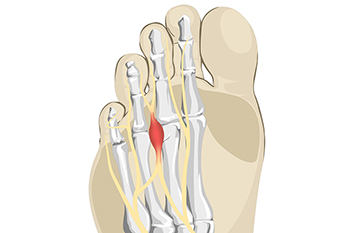
Morton's neuroma affects nerves between the toes, most often between the third and fourth, causing irritation and thickening of surrounding tissue. This leads to nerve compression and discomfort in the ball of the foot. Metatarsalgia is a related condition that involves inflammation and pain in the forefoot, particularly under the metatarsal heads. Both conditions are commonly linked to repetitive pressure and biomechanical stress. They are more prevalent in women, often due to footwear choices that place increased strain on the forefoot. Understanding these conditions helps individuals recognize symptoms early and seek appropriate care.
Symptoms of Morton's neuroma include burning pain, tingling, and numbness that may extend into the toes. Many people describe the sensation as walking on a small object inside the shoe. Metatarsalgia presents as aching pain, tenderness, and increased discomfort with standing or walking. Swelling and a feeling of bruising under the ball of the foot are also common. These symptoms may worsen during activity and improve with rest. Early recognition is important to prevent progression and reduce the impact on mobility and daily function.
Risk factors for these conditions include high-heeled or narrow footwear, repetitive impact activities, and foot structure abnormalities like high arches or flat feet. Obesity increases pressure on the forefoot, contributing to tissue stress and inflammation. Tight calf muscles and poor shock absorption can also lead to excessive force on the metatarsal region. Common causes of metatarsalgia include overuse, improper footwear, and uneven weight distribution when walking or running. These factors create ongoing stress that leads to irritation and pain in the forefoot.
Managing these conditions involves reducing pressure on the forefoot through proper footwear, cushioning, and orthotic support. Activity modification and targeted exercises may help improve foot mechanics and relieve symptoms. Early treatment leads to better outcomes and reduces the likelihood of chronic pain. If you have Morton’s neuroma, it is suggested that you consult a podiatrist for effective treatment to restore comfort and improve foot function.
Morton’s neuroma is a very uncomfortable condition to live with. If you think you have Morton’s neuroma, contact Dr. John R. Northrup of Superior Foot, Ankle & Wound Care. Our doctors will attend to all of your foot care needs and answer any of your related questions.
Morton’s Neuroma
Morton's neuroma is a painful foot condition that commonly affects the areas between the second and third or third and fourth toe, although other areas of the foot are also susceptible. Morton’s neuroma is caused by an inflamed nerve in the foot that is being squeezed and aggravated by surrounding bones.
What Increases the Chances of Having Morton’s Neuroma?
Ill-fitting high heels or shoes that add pressure to the toe or foot
Jogging, running or any sport that involves constant impact to the foot
Flat feet, bunions, and any other foot deformities
Morton’s neuroma is a very treatable condition. Orthotics and shoe inserts can often be used to alleviate the pain on the forefront of the feet. In more severe cases, corticosteroids can also be prescribed. In order to figure out the best treatment for your neuroma, it’s recommended to seek the care of a podiatrist who can diagnose your condition and provide different treatment options.
If you have any questions, please feel free to contact one of our offices located in St. Augustine, Palm Coast, and St. John's County, FL. We offer the newest diagnostic and treatment technologies for all your foot care needs.
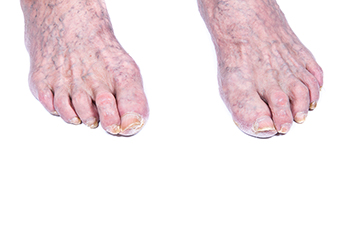
Proper foot care becomes increasingly important with age. It can help older adults stay active, comfortable, and independent. Regular attention to foot health can prevent problems like corns, bunions, thickened toenails, and other painful conditions that may make walking difficult. Healthy feet also contribute to better balance and stability, which can help reduce the risk of falls and serious injuries. Addressing foot pain and other concerns early can improve mobility and allow seniors to participate more comfortably in daily activities. Age-related changes, chronic health conditions, and reduced flexibility can make it harder for older adults to care for their feet. This increases the need for professional evaluation and treatment. A podiatrist can provide routine foot exams, treat painful skin and nail conditions, and monitor circulation and nerve health. This foot doctor can recommend proper footwear to support safe movement. They can also help manage foot problems related to arthritis, diabetes, and other medical conditions. If you are experiencing foot discomfort or have mobility issues, it is suggested that you schedule an appointment with a podiatrist for an evaluation.
Proper foot care is something many older adults forget to consider. If you have any concerns about your feet and ankles, contact Dr. John R. Northrup from Superior Foot, Ankle & Wound Care. Our doctors can provide the care you need to keep you pain-free and on your feet.
The Elderly and Their Feet
As we age we start to notice many changes in our body, but the elder population may not notice them right away. Medical conditions may prevent the elderly to take notice of their foot health right away. Poor vision is a lead contributor to not taking action for the elderly.
Common Conditions
Neuropathy – can reduce feeling in the feet and can hide many life-threatening medical conditions.
Reduced flexibility – prevents the ability of proper toenail trimming, and foot cleaning. If left untreated, it may lead to further medical issues.
Foot sores – amongst the older population can be serious before they are discovered. Some of the problematic conditions they may face are:
Gouging toenails affecting nearby toe
Shoes that don’t fit properly
Pressure sores
Loss of circulation in legs & feet
Edema & swelling of feet and ankles
Susceptible Infections
Diabetes and poor circulation can cause general loss of sensitivity over the years, turning a simple cut into a serious issue.
If you have any questions, please feel free to contact one of our offices located in St. Augustine, Palm Coast, and St. John's County, FL. We offer the newest diagnostic and treatment technologies for all your foot care needs.
Have your child's feet been examined lately? Healthy feet are happy feet. If your child is complaining of foot pain, it may be a sign of underlying problems.
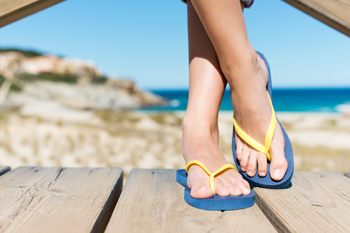
Many people enjoy wearing lighter clothes during the warm summer months, and that includes footwear. Flip-flops are easy to put on, and come in a variety of colors and styles. Research has indicated that it may be harmful to the feet when flip-flops are worn for the majority of the day. This can be due to a lack of an arch, and the toes typically grasp the front of the shoe to keep it on the foot. The style of walking may change to accommodate the type of flip-flop that is worn, and minimal protection may be offered for the feet. It may be beneficial to alternate supportive shoes with flip-flops, and a strap across the back of the shoe may help the shoe to stay on the foot. If you choose to wear flip-flops, and would like more information about what type of flip-flops to wear, please consult with a podiatrist.
Flip-flops are not always the best choice of footwear. If you have any concerns about your feet or ankles, contact Dr. John R. Northrup from Superior Foot, Ankle & Wound Care. Our doctors will assist you with all of your foot and ankle needs.
Flip-Flops and Feet
When the weather starts warming up, people enjoy wearing flip-flops. Flip-flops are comfortable, stylish, and easy to slip on and off; they're perfect for any summer beach goer. However, these shoes can cause harm to the feet.
How Can Flip-Flops Affect Me Long-Term?
Ankle problems
Hip problems
Lower back problems
Pain in the balls of the feet
Problems with foot arches
Changes in the way you walk
Are There Injuries Associated with Flip-Flops?
Yes. Since flip-flops are relatively weak and do not provide the same amount of support as sneakers, people who wear flip-flops regularly are more susceptible to injuries. On top of that, the open nature of the shoe makes your feet more prone to other problems, such as cuts and even infections. Common injuries and ailments include:
Sprained ankles
Blisters
Infections
Cuts and Scrapes
I like Wearing Flip-Flops. Are There Safe Alternatives?
When buying flip-flops, try to find ones that have sturdy soles and that are made of high-quality materials that will support for your feet. These flip-flops will cost more but will also last longer as a result.
If you have any questions, please feel free to contact one of our offices located in St. Augustine, Palm Coast, and St. John's County, FL. We offer the newest diagnostic and treatment technologies for all your foot care needs.



 Many people enjoy wearing lighter clothes during the warm summer months, and that includes footwear. Flip-flops are easy to put on, and come in a variety of colors and styles. Research has indicated that it may be harmful to the feet when flip-flops are worn for the majority of the day. This can be due to a lack of an arch, and the toes typically grasp the front of the shoe to keep it on the foot. The style of walking may change to accommodate the type of flip-flop that is worn, and minimal protection may be offered for the feet. It may be beneficial to alternate supportive shoes with flip-flops, and a strap across the back of the shoe may help the shoe to stay on the foot. If you choose to wear flip-flops, and would like more information about what type of flip-flops to wear, please consult with a podiatrist.